Conservation Travel
Go beyond seeing. Take part.
Some journeys allow you to witness the natural world. Others bring you closer—to the people protecting it, the work happening in the field and the moments that can change how you see it forever.
Not simply a safari. A place in the story.
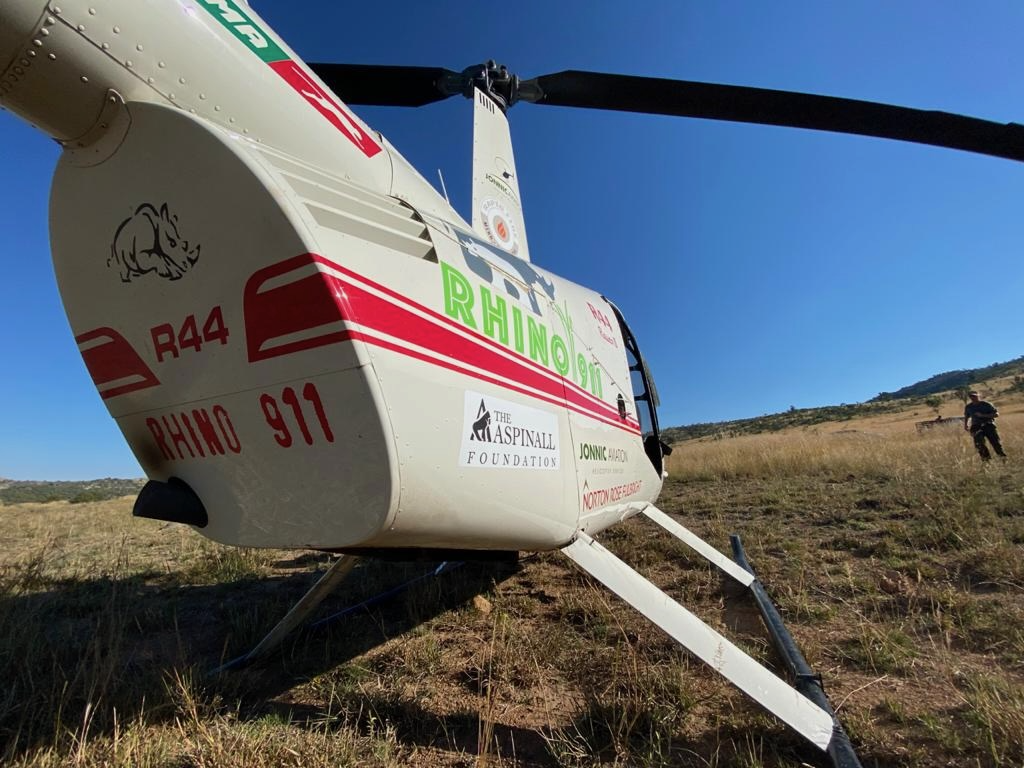
Imagine lifting off by helicopter with a wildlife team searching for a rhino. Standing beside the veterinarians working to protect it. Joining conservationists monitoring Africa’s big cats. Or entering the water in Moorea to learn how damaged coral reefs are being restored.
These are not experiences viewed from the sidelines. When the opportunity, timing and conservation work align, we can create journeys that bring you meaningfully closer.
Rhino Conservation · Africa
Into the field.
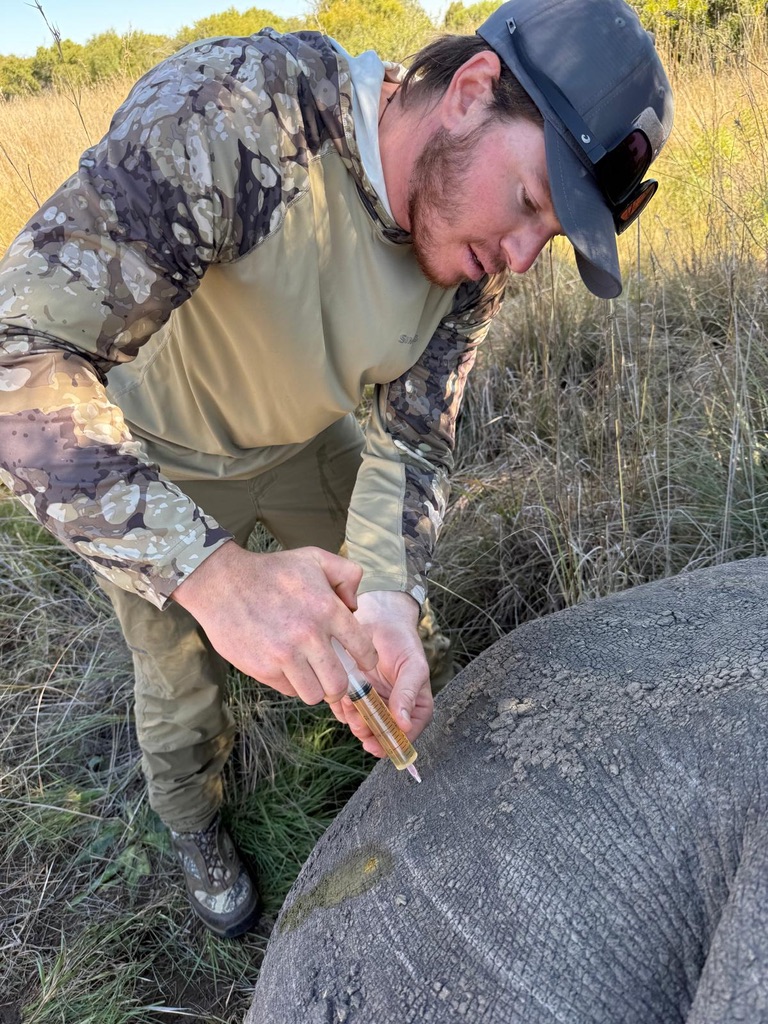
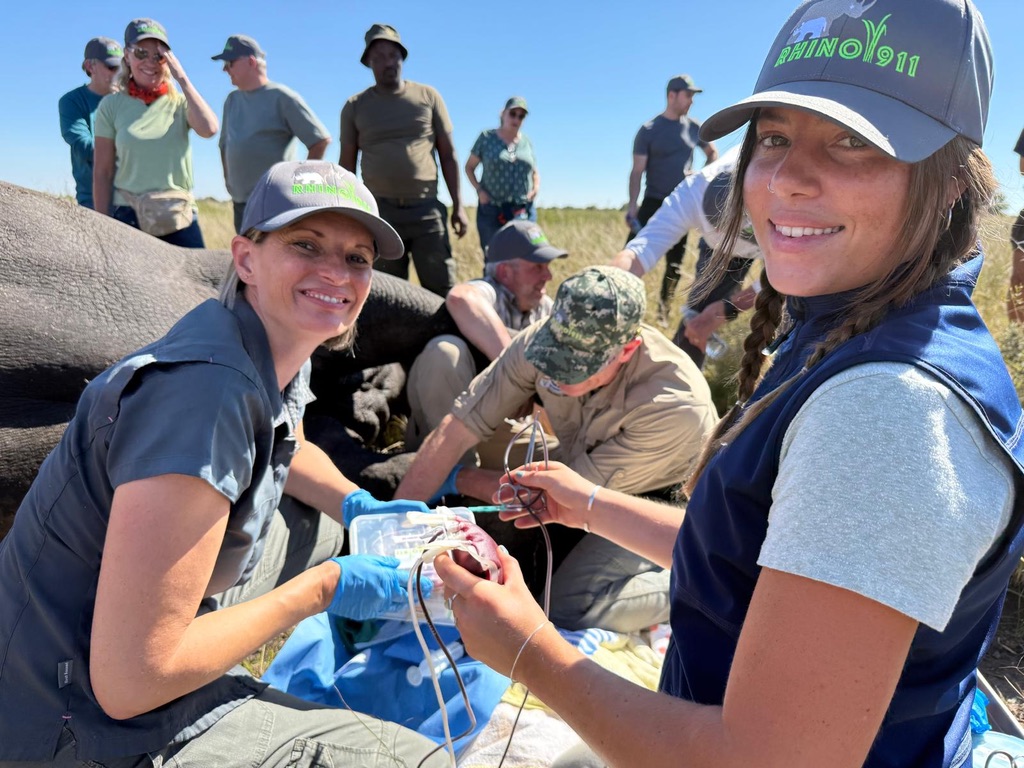
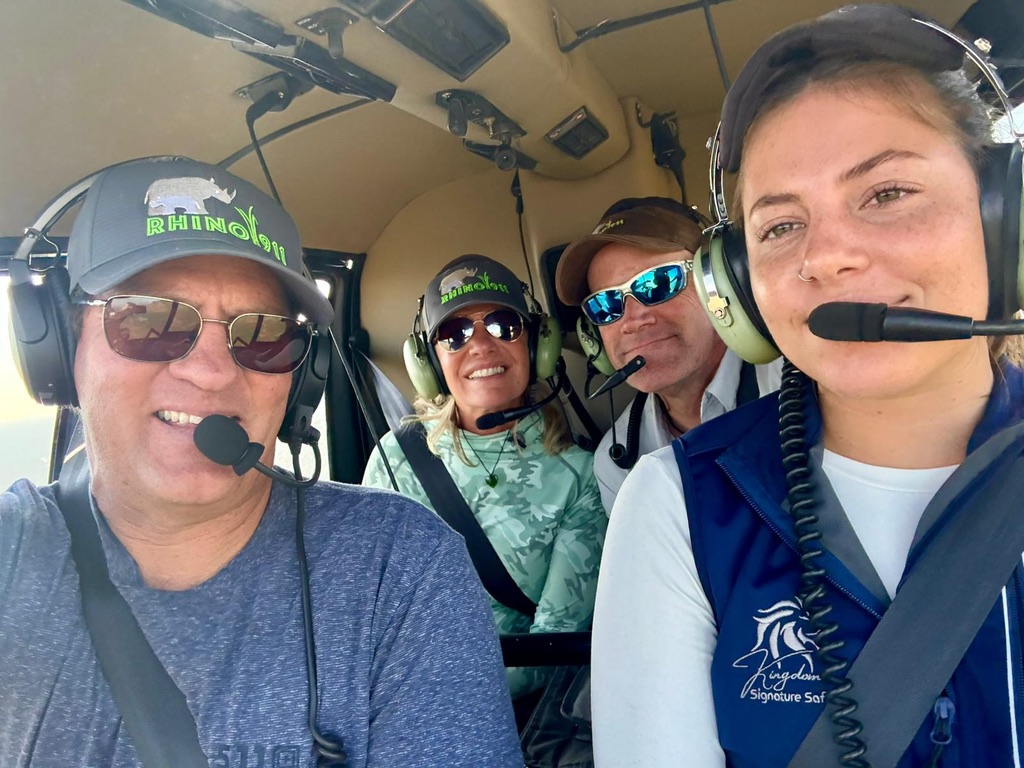
Track rhinos from the air. Meet the pilots, veterinarians and conservation teams protecting them. Depending on the project and the work underway, you may witness—or assist with appropriate aspects of—a veterinary procedure, monitoring operation, relocation or other vital fieldwork.
Every experience is led by qualified professionals, governed by animal welfare and shaped by what the conservation team genuinely needs. Nothing is staged. That is precisely what makes it unforgettable.
Big-Cat Conservation · Africa
Closer to the work that protects them.
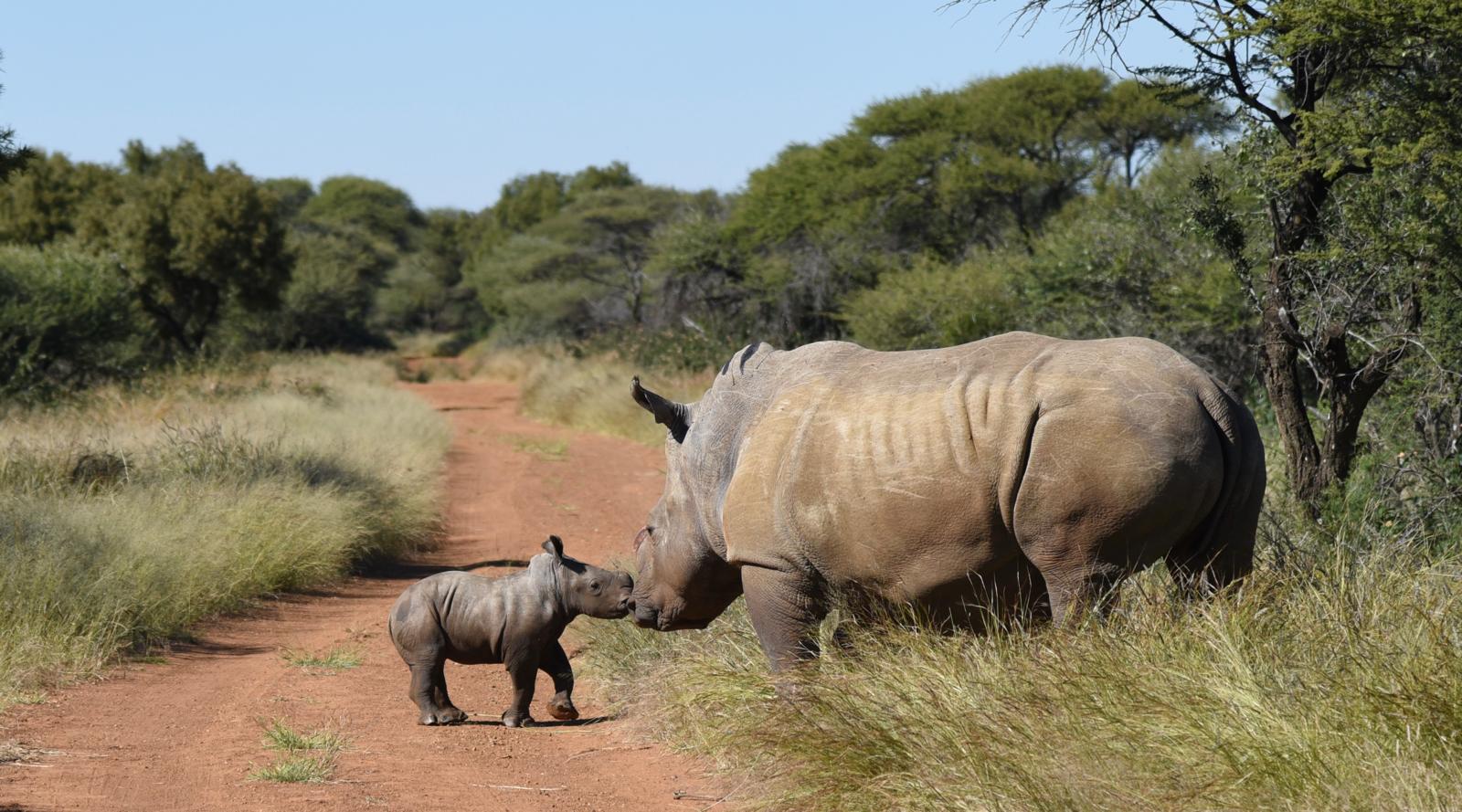
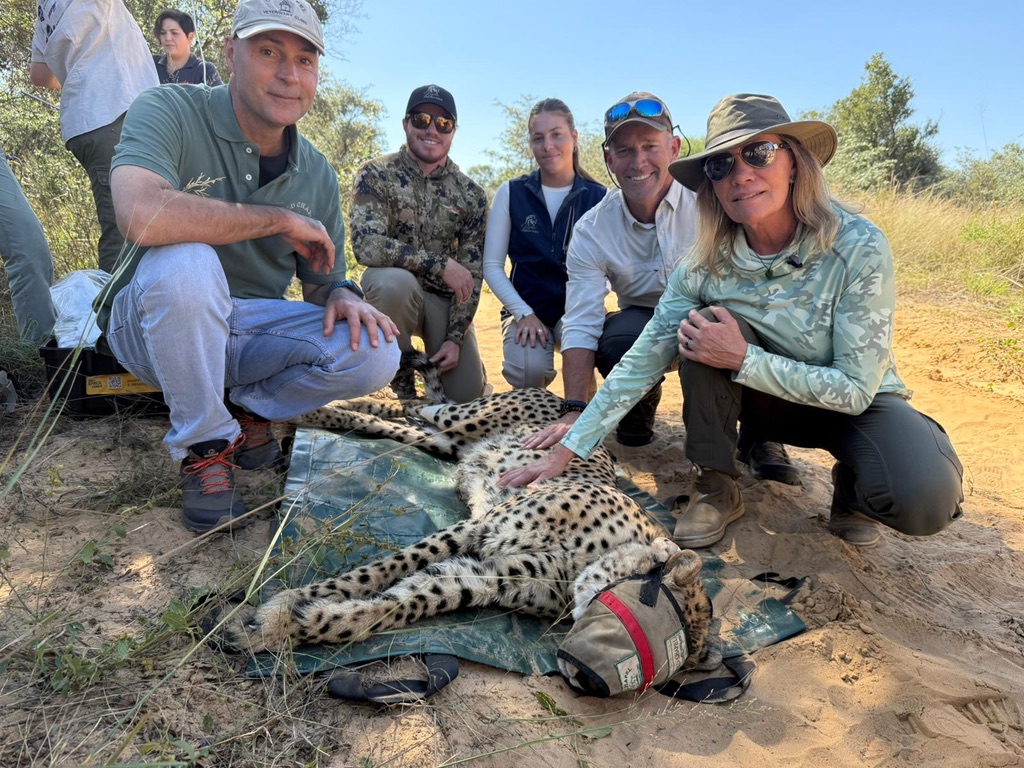
Go beyond a traditional game drive and spend time with the researchers and field teams studying Africa’s big cats. Learn how animals are identified and monitored, how habitats are protected and how conservationists work alongside surrounding communities.
The experience may include tracking, field observation, research demonstrations or accompanying a team during active monitoring. The details vary because authentic conservation work follows the animals—not an itinerary.
Coral Restoration · Moorea
Help give a reef its future.
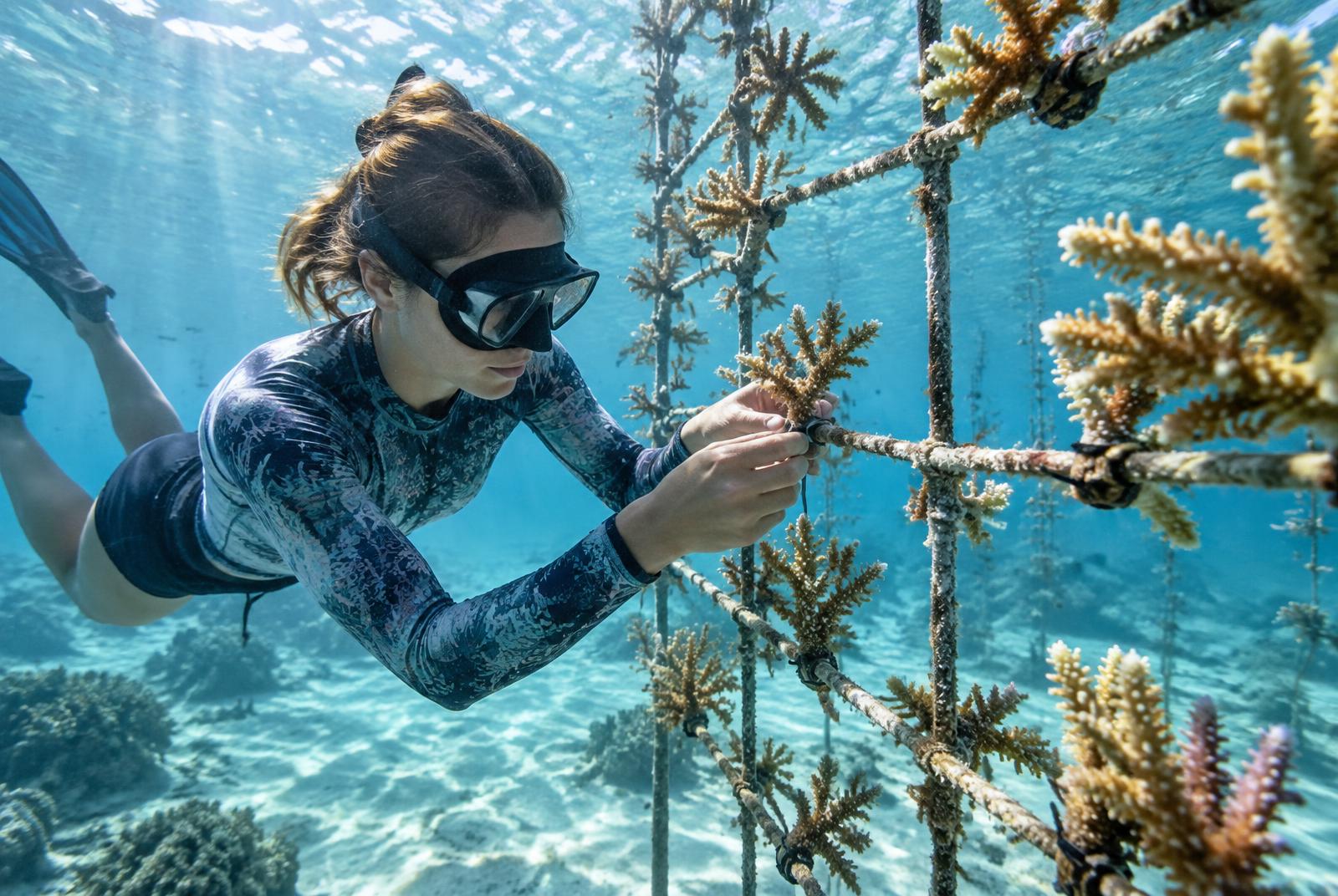
In the clear waters of Moorea, Coral Gardeners is working to restore threatened reefs. Meet the people behind the mission, learn how resilient corals are grown and understand what it takes to return them to the ocean.
Where available and permitted, we can explore opportunities to visit the coral nursery, enter the water with the team or participate in an educational restoration experience. It is a deeply personal way to connect a beautiful island stay with the living world beneath the surface.
We believe the most powerful journeys are personal.
We have experienced firsthand what it feels like to stand beside the people fighting to protect wildlife. These encounters stay with you. They transform a destination from somewhere you visited into something you became part of.
Through trusted relationships and thoughtful planning, Solist connects travelers with credible conservation work while respecting the animals, the professionals and the purpose of every project.
Common questions
What conservation travel with Solist actually involves.
- What is conservation travel?
- Conservation travel means traveling in a way that puts you alongside the people doing the work, rather than only observing wildlife from a vehicle. Depending on the project, that can mean joining a field team, learning how animals are monitored and protected, or taking part in restoration work in the water.
- Where do Solist conservation journeys take place?
- Primarily in Africa, for rhino conservation and big-cat conservation, and in Moorea in French Polynesia, for coral restoration with Coral Gardeners. Other destinations are possible where credible projects and access align.
- Can hands-on participation be guaranteed?
- No, and we will never promise it. Fieldwork happens on the animals' and the project's schedule. These wildlife conservation experiences are arranged where available, and hands-on moments occur only when the opportunity, timing and conservation work align.
- What might a day in the field look like?
- Depending on the project, it can involve an early start with a veterinary or monitoring team, observing a procedure such as treatment or collaring, and understanding why each step matters. On a reef journey it may mean working with a restoration team in the water. Days are led by the professionals running the project.
- Who are these journeys for?
- Travelers who want to understand and support the work, and who are comfortable with early mornings, changing plans and the realities of the field. They suit families, couples and solo travelers alike; specific activities may have age or fitness requirements set by the project.
- How do you start planning one?
- Tell us which part of the natural world moves you — rhinos, big cats, coral reefs or something else. We will explore what is genuinely possible in the season you want to travel and build the journey around it. Email sarah@solist-traveler.com or use the inquiry form.
What would you like to be part of?
Tell us what moves you—rhinos, big cats, coral reefs or another part of the natural world. We will explore what is possible and craft a journey around the experience, the destination and the way you want to travel.